All 15 known species of the tribe Gromphadorhini, endemic to Madagascar. Tropical, warm-adapted cockroaches built for sustained 80–90°F (27–32°C). Key differences: humidity preference, size, and availability.
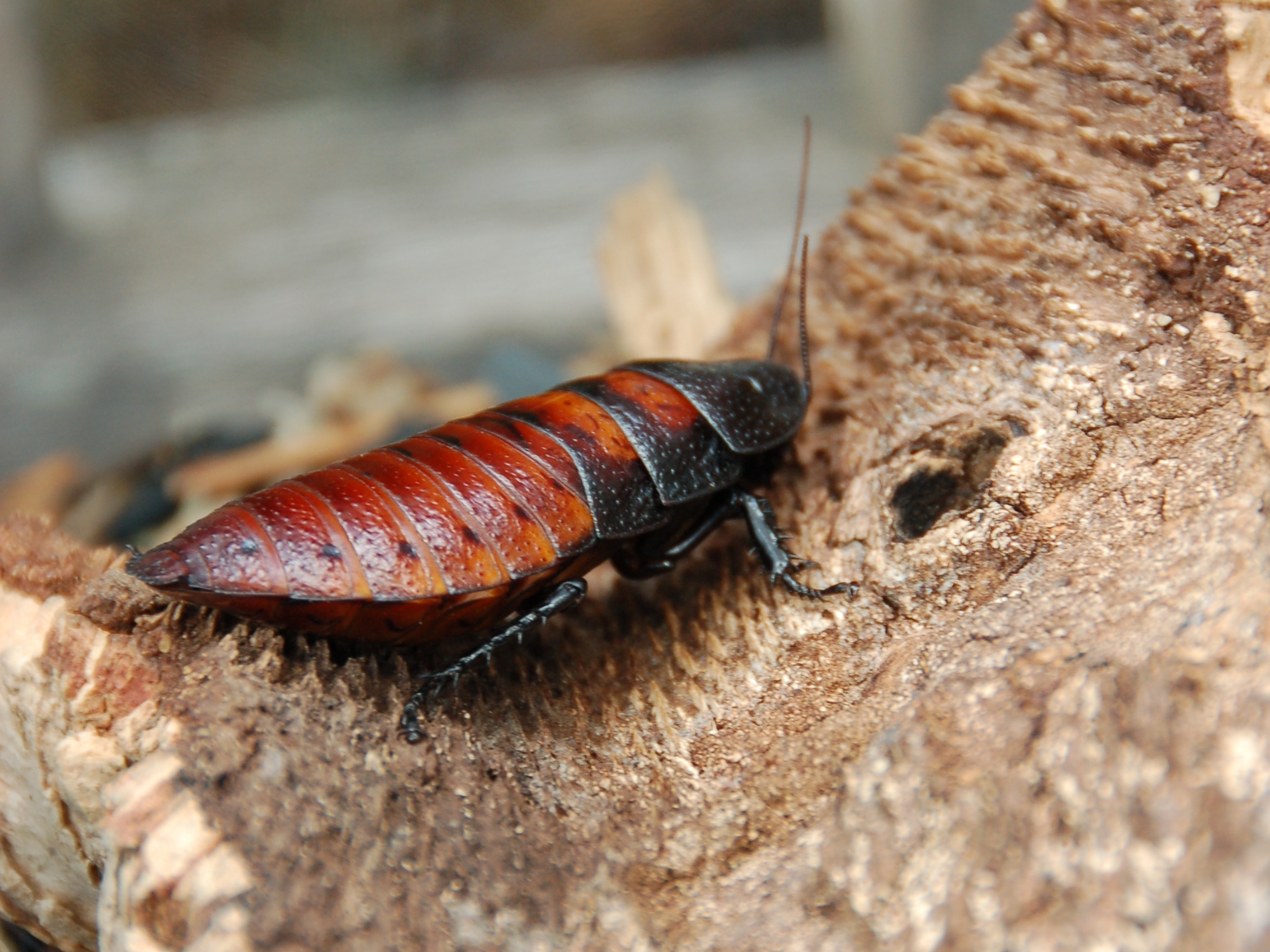
Gromphadorhina portentosa
Standard Madagascar HisserThe workhorse of the hobby. From the arid southern lowlands — most adaptable to temp swings. Cheapest and most available. Females give live birth. Breeds like a mosh pit.
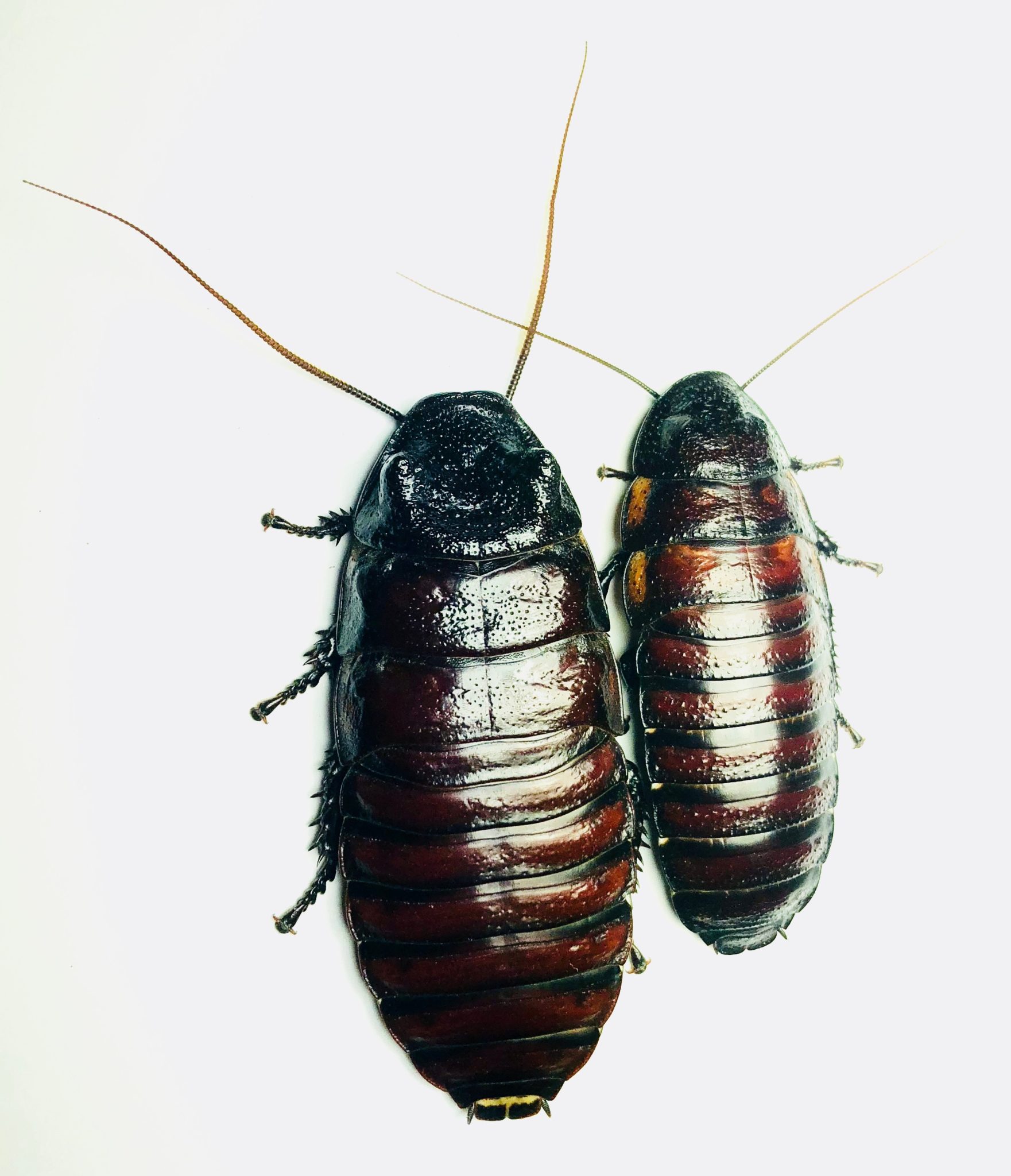
Gromphadorhina oblongonota
Wide-horned HisserMales rock prominent pronotal horns — the headbangers of the hisser world. Often confused with portentosa. Needs a bit more moisture.
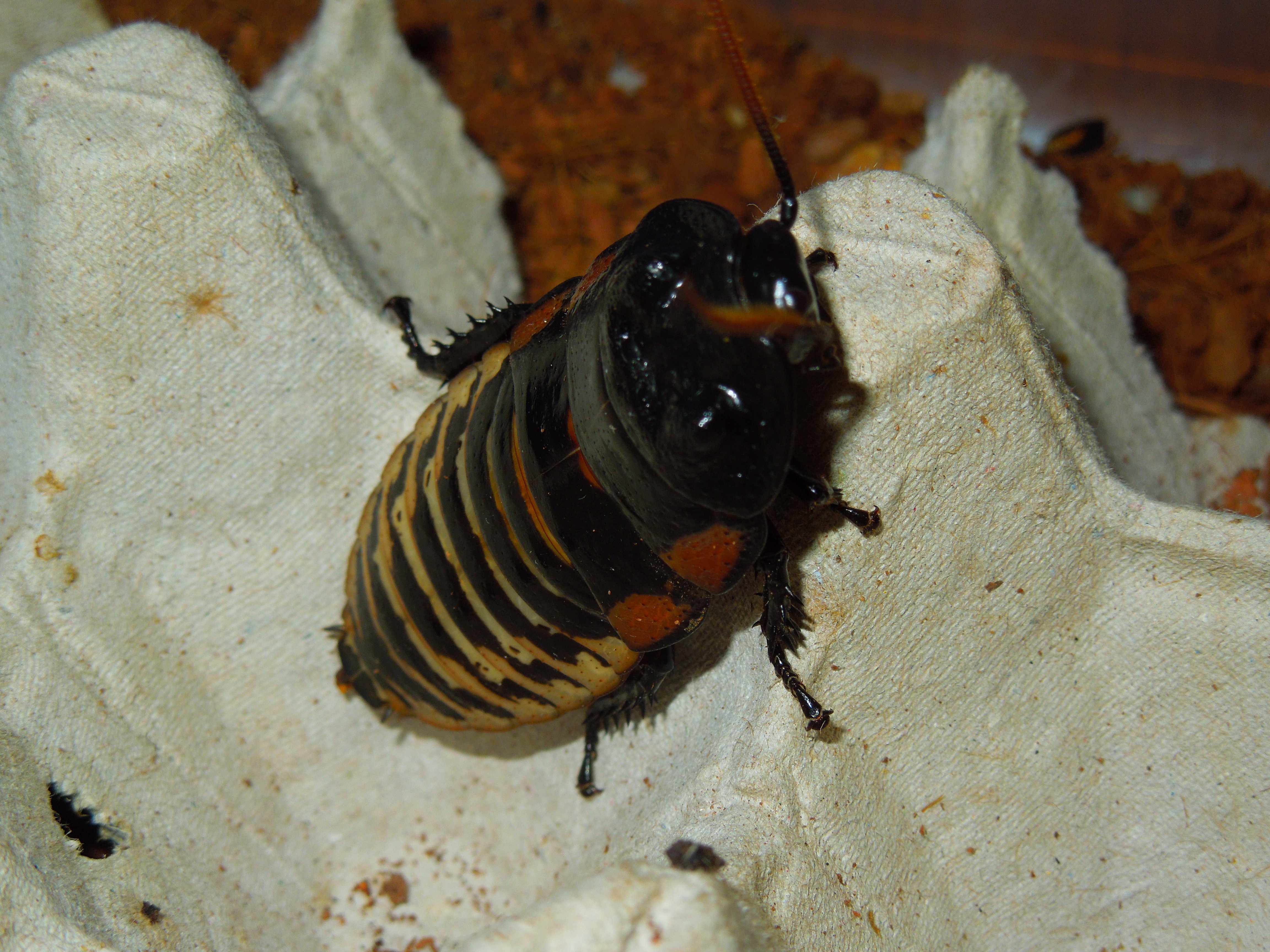
Gromphadorhina grandidieri
Grandidier's HisserRare as hell. Named after French naturalist Alfred Grandidier. Slightly smaller than portentosa. Hard to find, harder to catch.
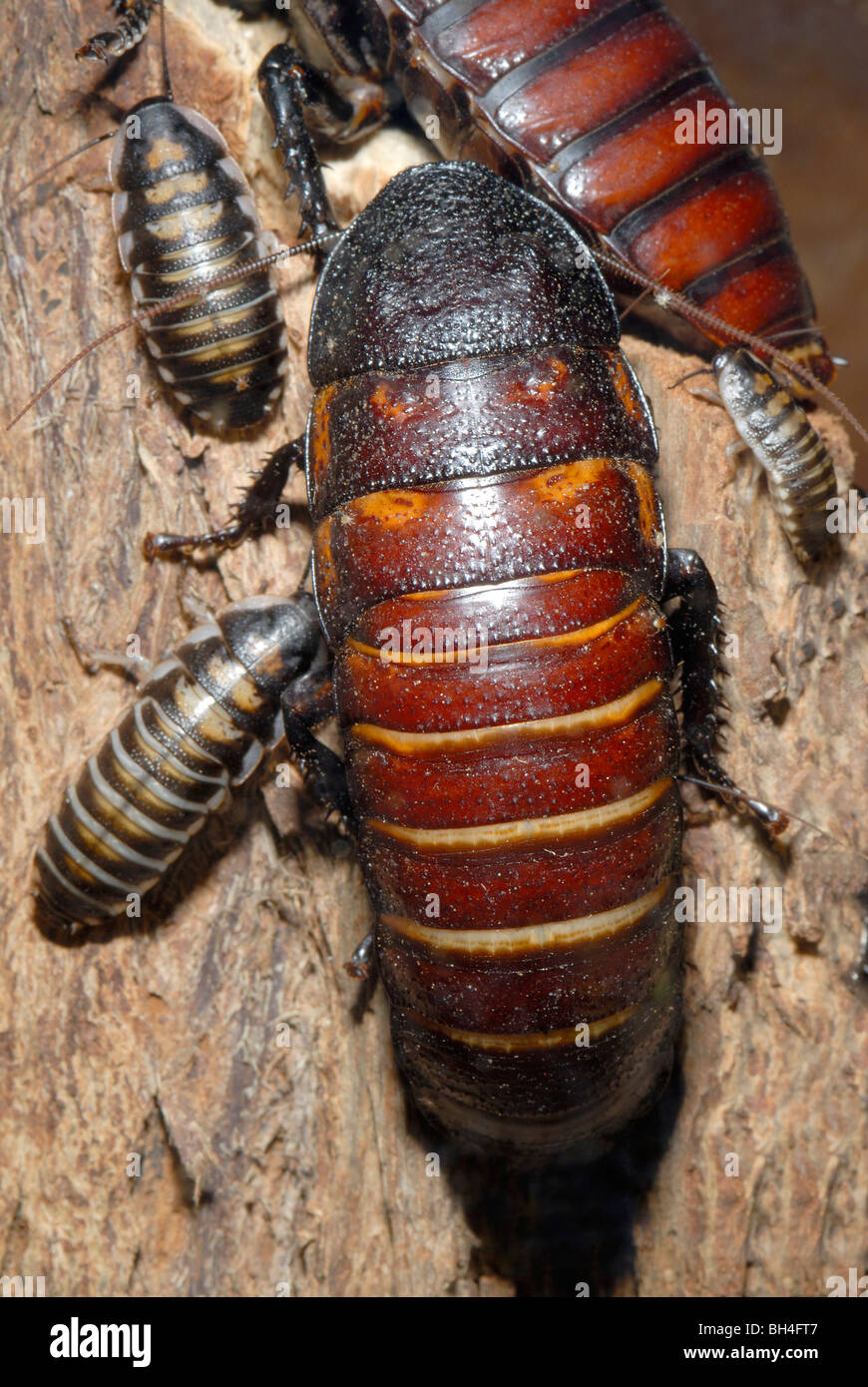
Gromphadorhina picea
Black Hisser / Pitch HisserBlack metal aesthetic in roach form. Needs a cool zone above 85°F. Uncommon in trade. For setups that stay in the low-to-mid 80s.
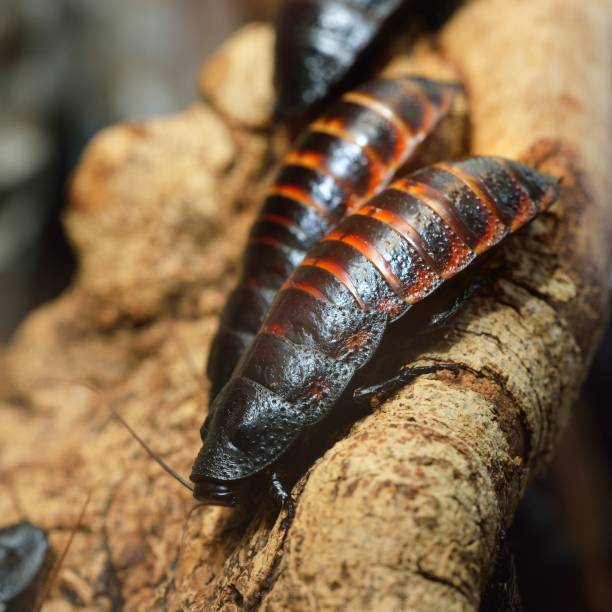
Princisia vanwaerebeki
Vibrant Hisser / Giant HisserThe biggest of them all. More aggressive than portentosa — will hiss and shove. Keeps the hierarchy in check. Expensive but worth it for the sheer size.
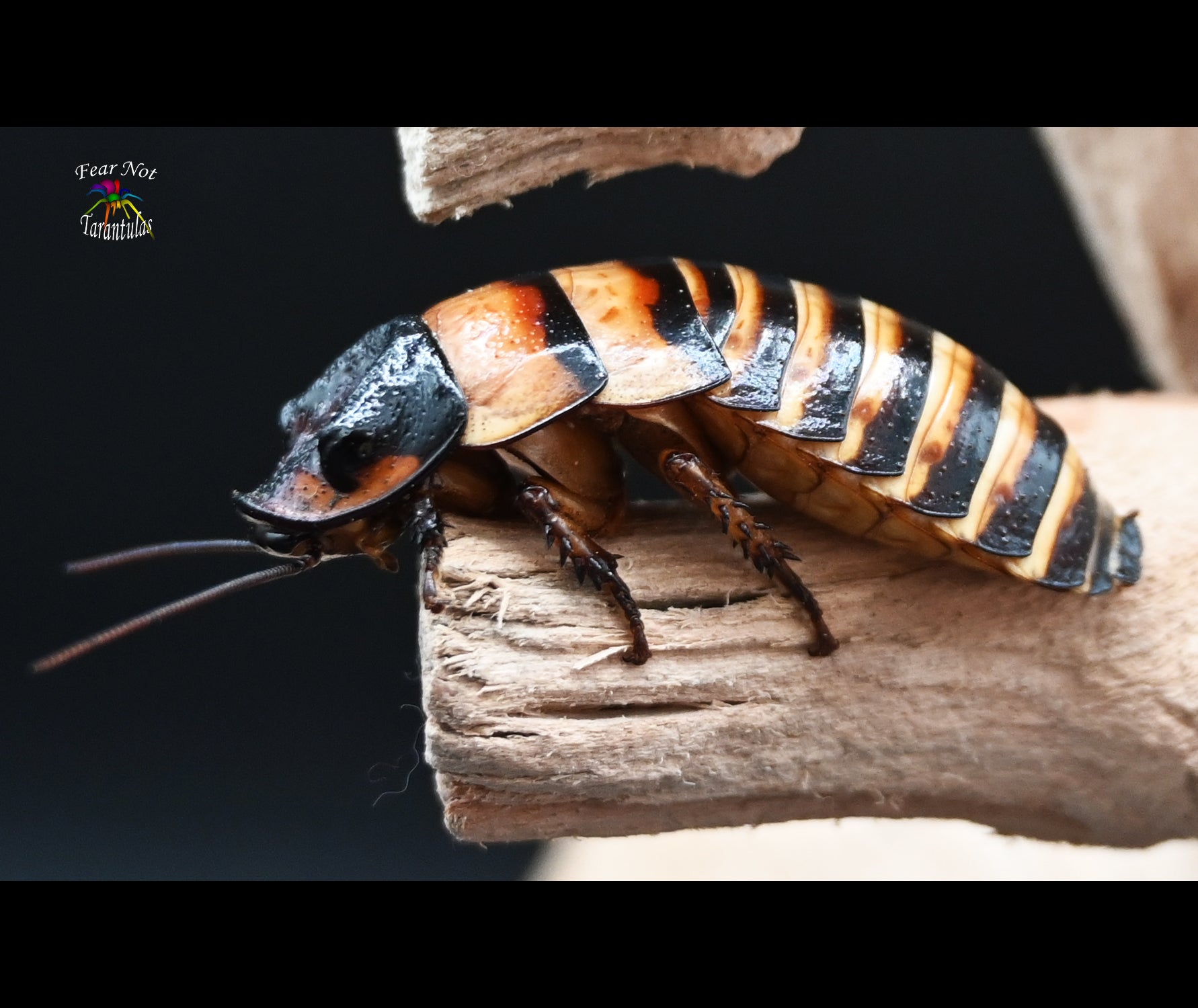
Elliptorhina chopardi
Halloween Hisser / Tiger-striped HisserThat striped/orange look is pure Halloween metal. Active at night, forages after dark. Dies without humidity. Worth the misting.
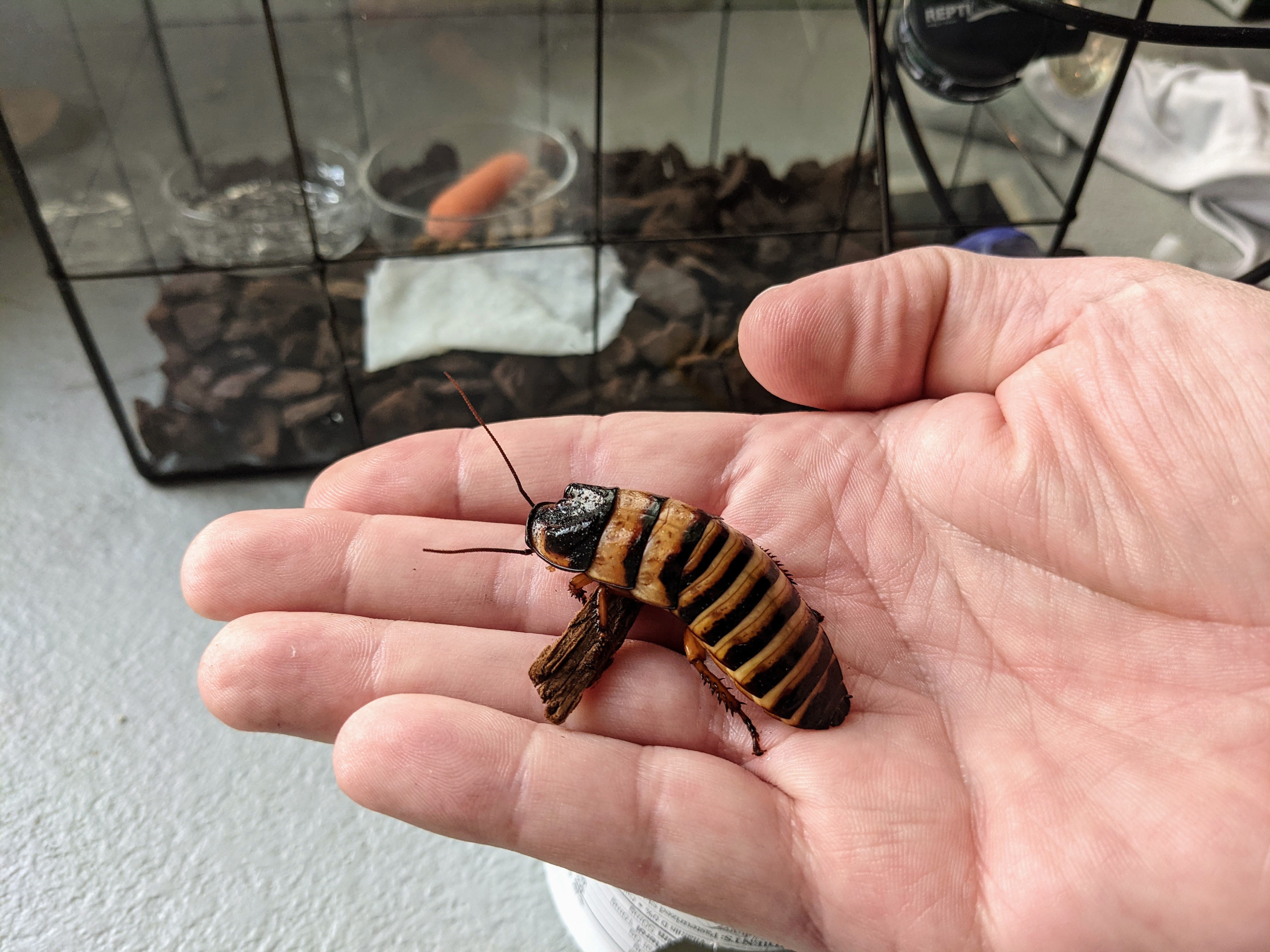
Elliptorhina javanica
Tiger HisserDespite the misleading name "javanica" — it's from Madagascar, not Java. Patterned coloring. Less common than chopardi. Same deal: keep it wet or it's over.
Other Elliptorhina Species
Rare in the pet tradeE. laevigata, E. lefeuvri, E. oblonga,
E. problematica, E. testacea
Known to science, unknown to the hobby. If you find one, you've found a unicorn. E. lefeuvri is from Europa Island, not mainland Madagascar — the odd one out.
⛧ VENDOR DIRECTORY
US-based vendors. Most require overnight shipping ($12-40). Order early in the week.
Widest hisser selection. $29 shipping, $50 min. Nationwide.
Roach specialists. $12 flat USPS. In-house captive bred.
General invert supply. Mainly portentosa. $39 overnight.
Specialty roach vendor. Good for rarities like picea.
Rare species incl. oblongonota. Limited stock.
Mantid specialists, some hissers. Ships from Florida.
⛧ TERRARIUM PLANTS — EDIBLE COMPANIONS FOR HISSSERS
Hissing roaches are forest floor detritivores — they eat fallen fruit, decaying vegetation, leaf litter, and rotting wood. These plants can provide a self-sustaining food source in a warm humid 30gal terrarium (80-90°F+, east-facing window).
✓ SAFE & RECOMMENDED
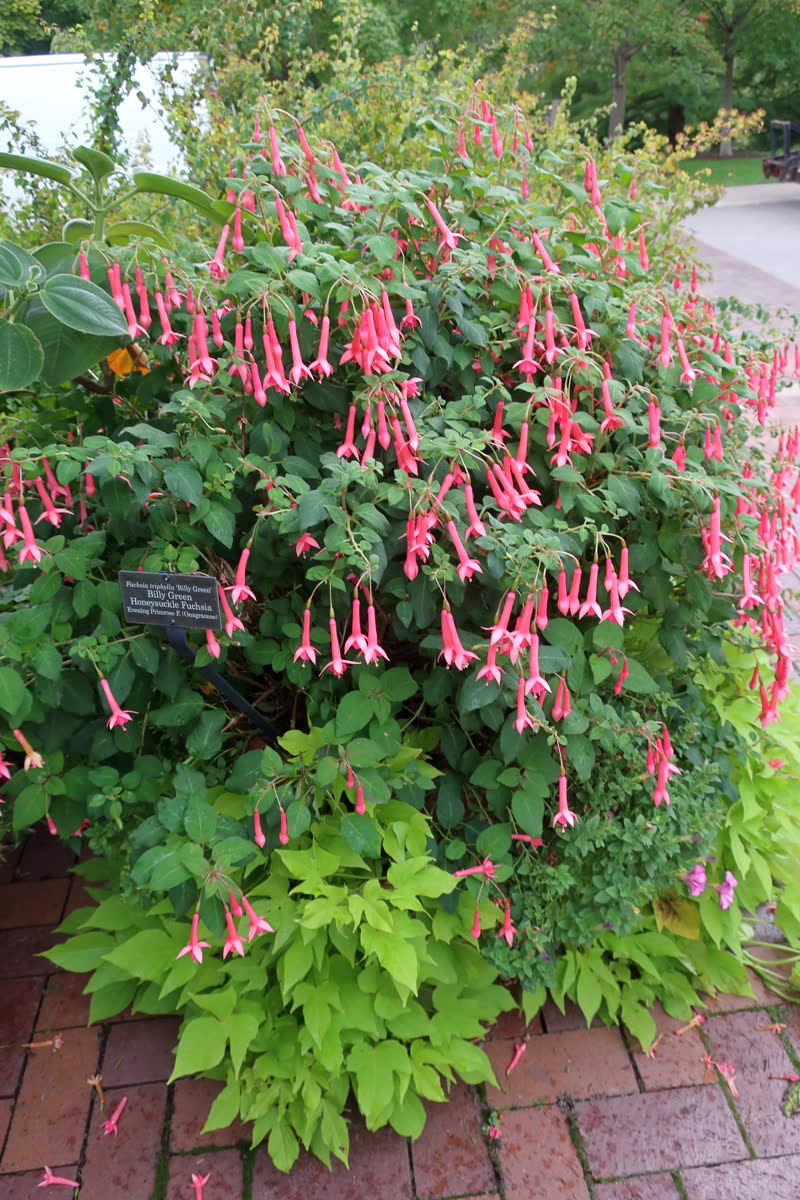
Family: Convolvulaceae — zero toxicity concerns
Tropical vine — thrives at 80-95°F with high humidity. Trailing habit perfect for a 30gal — weaves through other plants or cascades over the edge. Every part is edible: leaves are soft and palatable (roaches will eat them), tubers grow just below the soil surface (roaches nibble exposed/rotting bits). Prune it back and toss clippings in as food. Cultivars like 'Blackie' (purple) or 'Marguerite' (lime) look great with pothos. Source: UMN Extension, sweet potato is a tropical perennial that fruits underground.
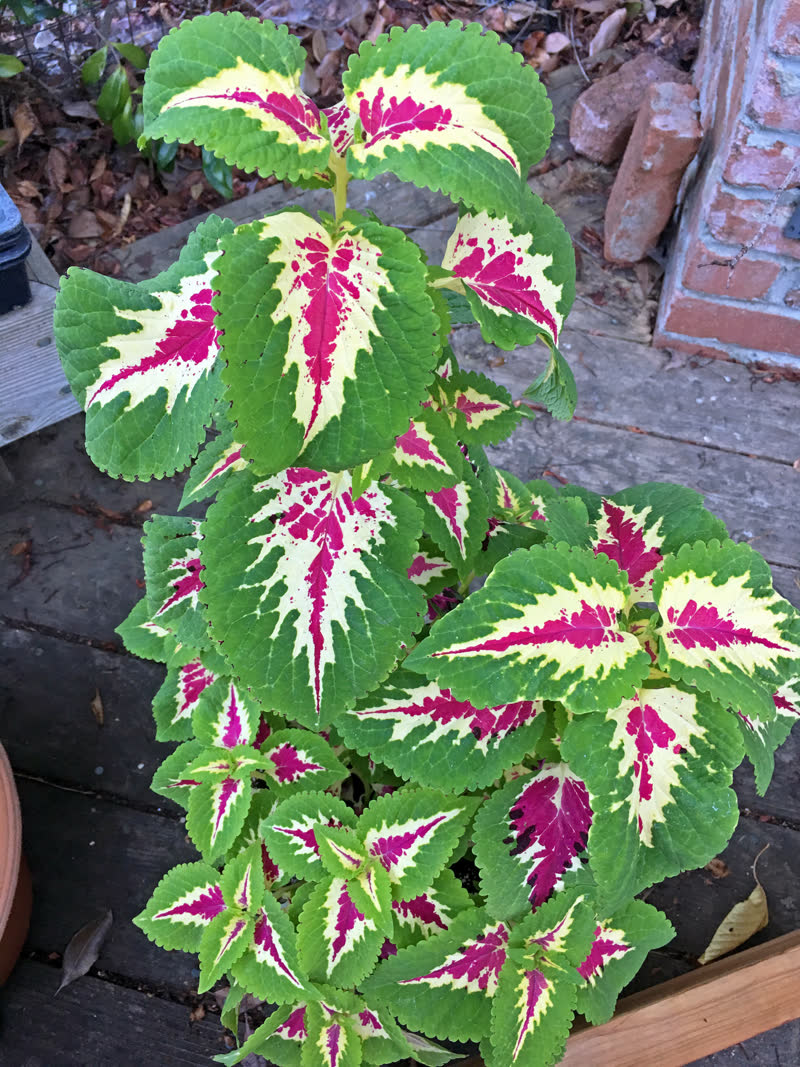
Family: Lamiaceae — mint family, completely safe
Tropical perennial — thrives at 75-90°F with high humidity. Incredible color variety (purple, red, lime, pink foliage). Grows fast and bushy — you can prune it aggressively and toss clippings in for roach food. The soft leaves are palatable and safe. Stays compact at 8-14" if regularly trimmed. East window light is perfect. Drawback: needs consistent moisture (your sandy soil may need amending). Source: Wikipedia Coleus — native to tropical SE Asia, grown as houseplant worldwide.
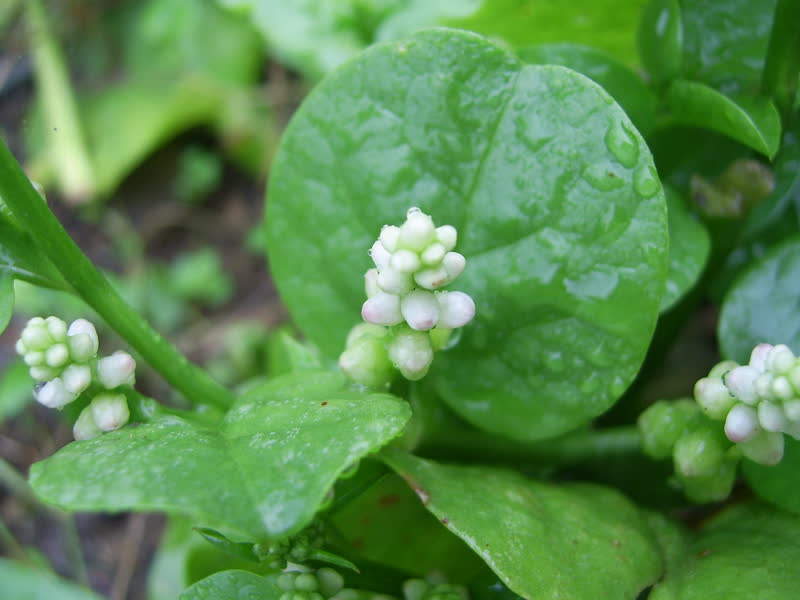
Family: Basellaceae — edible vine, zero toxicity
Tropical climbing vine — thrives at 75-95°F with high humidity. Grows fast up a small trellis or along the back wall of the terrarium. The thick, succulent leaves are completely edible and roaches will eat fallen/dropped leaves. Produces small dark purple berries that are also edible. Can be pruned back hard and regrows fast. Drawback: needs something to climb on. Source: Wikipedia Basella alba — native to tropical Asia, widely cultivated as a leaf vegetable.
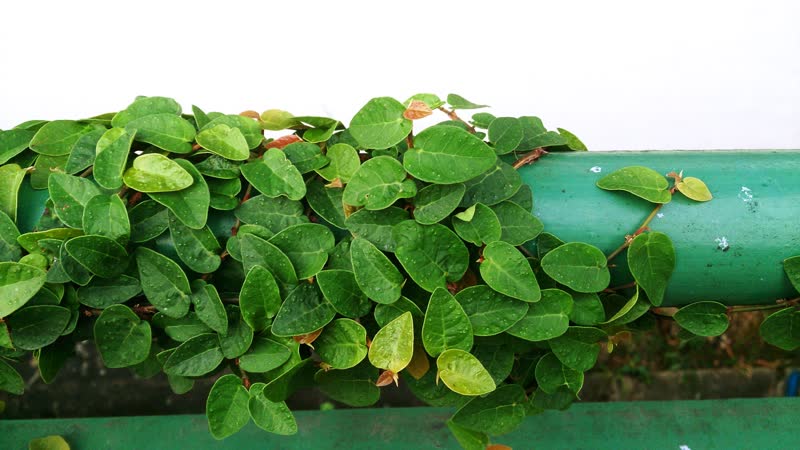
Family: Moraceae — safe for roaches, common vivarium plant
Climbing/trailing vine — thrives at 65-90°F with high humidity. Will climb the terrarium walls or trail along the substrate. The small heart-shaped leaves create a lush look. Roaches will eat fallen leaves as they decompose. Drawback: can eventually cover the back wall completely (which looks cool but is hard to remove). Slower grower than sweet potato. Source: Wikipedia Ficus pumila — native to East Asia, popular terrarium plant.
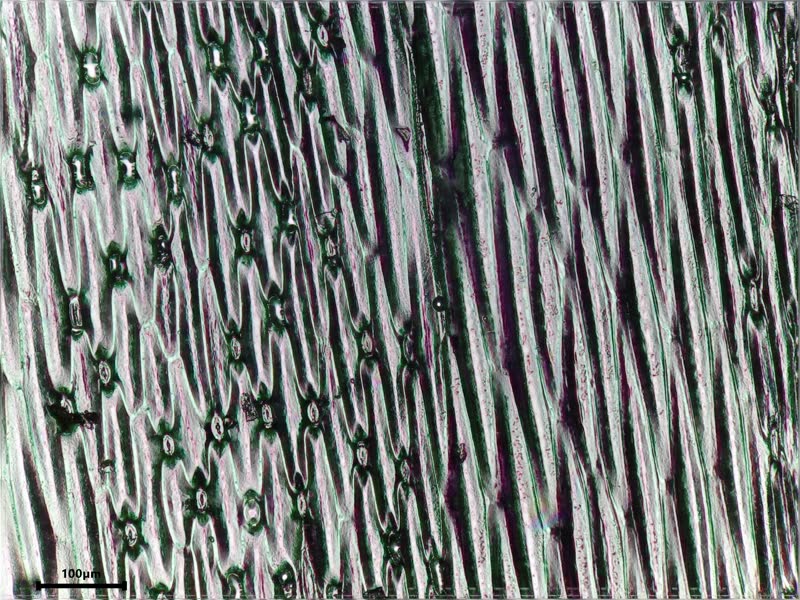
Family: Asparagaceae — safe, common, unkillable
Clumping perennial — thrives at 65-90°F with moderate to high humidity. Produces arching variegated leaves and baby "spiderettes" on long runners. Roaches eat the tender leaf tips and any fallen leaves. Completely safe and widely used in bioactive enclosures. Drawback: prefers slightly drier soil than your tropical plants — plant near the edge of the enclosure where drainage is better. Source: Wikipedia Chlorophytum comosum — native to tropical Africa.
✗ NOT RECOMMENDED — RESEARCHED & REJECTED
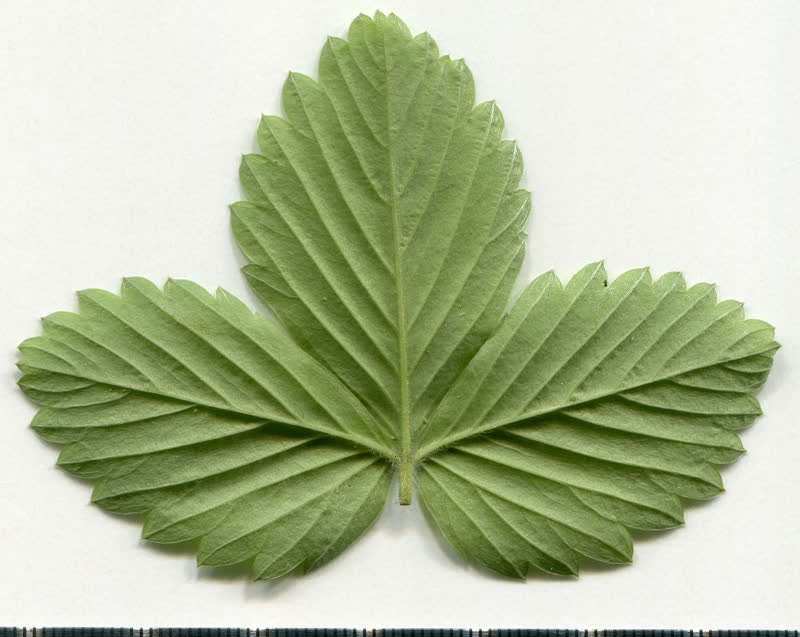
Verdict: Wrong climate. Strawberries are temperate plants (USDA Zone 4) — they prefer 60-75°F and arrest growth above 85°F. They also need 6-10 hours of direct sun, which an east window won't provide. Would survive but won't fruit. Source: UMN Extension, Almanac growing guide.
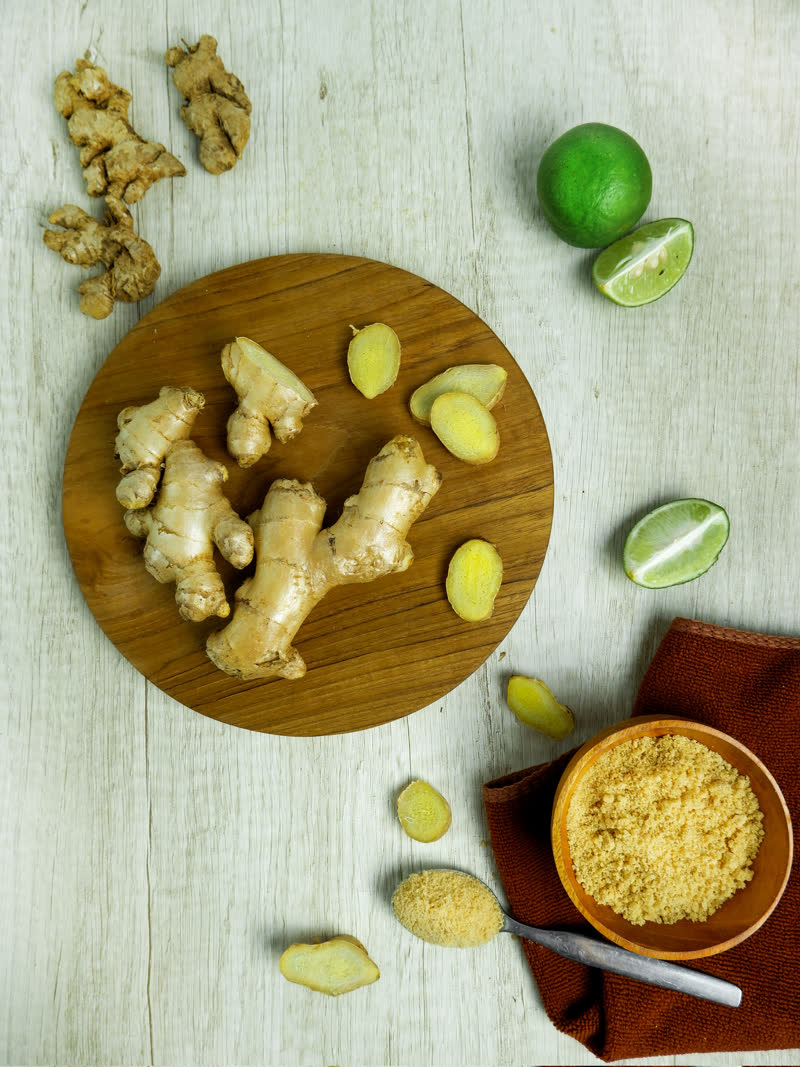
Verdict: Too tall, too spicy. Both grow pseudostems to 3ft+ — they'll hit the lid of a 30gal. The rhizomes contain gingerols/shogaols and curcumin — potent antimicrobial compounds with documented insecticidal properties. Roaches will likely avoid spicy rhizomes. Turmeric's range tops out at 86°F, right at your low end. Source: Wikipedia — Zingiber officinale, Curcuma longa.
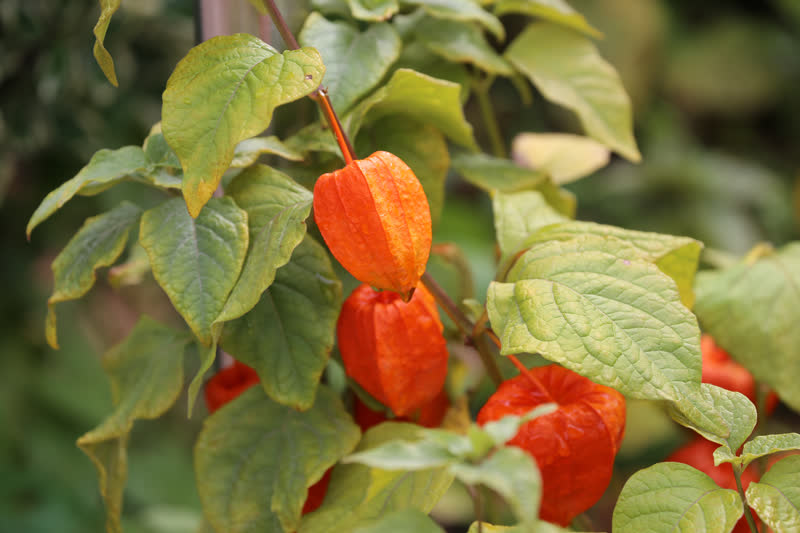
Verdict: Toxic risk. Leaves and stems contain tomatine and solanine — glycoalkaloids that are broad-spectrum insecticides. Ripe fruit is safe but if roaches start eating the plant itself, it can hurt them. Groundcherry (Physalis) Wikipedia entry explicitly states "most parts of the plant are toxic" except ripe fruit. Hard pass. Source: Wikipedia — Solanaceae, Physalis pruinosa.
Passionfruit needs a trellis and hand-pollination. Pineapple takes 18-24 months to fruit once. Dwarf figs outgrow a 30gal within a year. All safe, all technically possible, but none beat sweet potato for simplicity and reliability in your specific setup.
⛧ SUMMARY: TOP PICKS FOR HOT TERRARIUMS (80-90°F+)
- G. portentosa — Best overall. Most heat tolerant, cheapest, most forgiving.
- G. oblongonota — Wide-horn variant. Similar tolerance, more humidity needed.
- G. grandidieri — Good if you can find one. Southern genetics handle heat.
- P. vanwaerebeki — Biggest and baddest. Expensive, aggressive, needs stability.
- G. picea — Black metal roach. Needs cool zone above 85°F.
- E. chopardi / E. javanica — Display species. WILL DIE below 65% humidity.